
|
|
|
The Chiropractic Method
Your First Visit: What To Expect
Initially, a chiropractor will ask you about the health
complaints for which you are primarily concerned. You
will need to fill out some paperwork describing the
reason for your visit, the nature of your injury or
condition, a health history, and a pain diagram.
The DC will then ask you a little about your family
history, dietary habits, other care you may have
received (chiropractic, osteopathic, medical, physical
therapy, etc.), your job, and other questions designed
to help determine the nature of your illness, and the
best method of treating the problem. 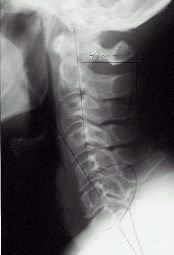
A brief physical exam will be performed in accordance with your chiropractor's clinical judgment. In addition, a careful spinal examination and analysis will be performed to detect any structural abnormalities that may be affecting or causing your condition. If necessary, the patient may be sent for x-rays as well. All of these elements are important components of your total health profile, and vital to the chiropractor in evaluating your problem.
An "adjustment," as doctors of chiropractic use the term, means the specific manipulation of vertebrae that may have abnormal movement patterns or fail to function normally. Doctors of chiropractic spend years learning motion palpation (the art of examining movement by touch) and other forms of spinal examination procedures, so they can administer specific and appropriate spinal adjustments.
Once the DC has identified the problem, he/she will begin care by way of these adjustments or "spinal manipulations." Particular attention will be paid to that area of the spine where degeneration or "subluxation" has been detected. The adjustment is most often given by hand, or sometimes with Sigma Instruments advanced technique, and consists of applying pressure to the areas of the spine that are out of alignment or not moving properly. Other therapeutic modalities are used along with the chiropractic adjustment for treatment of the patient. These may include ultrasound, massage, interferential (electric stimulation), hot/cold packs, stretching and exercises, and general nutrition counseling including the importance of water intake to the health of your spine.
Doctors of chiropractic use many sophisticated and varied techniques. The specific procedure they use will be determined following a careful evaluation of your physical findings. Regardless of the technique used, it will also be carefully explained to you.
 Under normal circumstances,
adjustments don't hurt. The "cracking" sound may startle
you, but is a completely normal occurrence during a
spinal manipulation. The patient may experience a minor
amount of discomfort during the adjustment, which lasts
only seconds.
Under normal circumstances,
adjustments don't hurt. The "cracking" sound may startle
you, but is a completely normal occurrence during a
spinal manipulation. The patient may experience a minor
amount of discomfort during the adjustment, which lasts
only seconds.
Adjustments or manipulations are extremely safe. The risk factor is estimated to be in excess of one million to one.